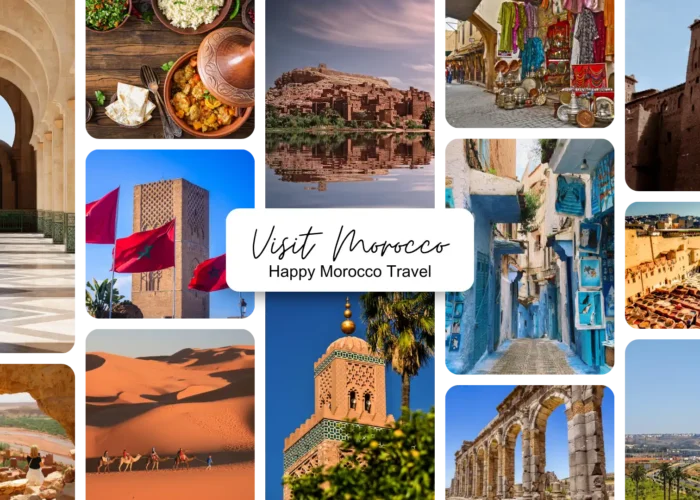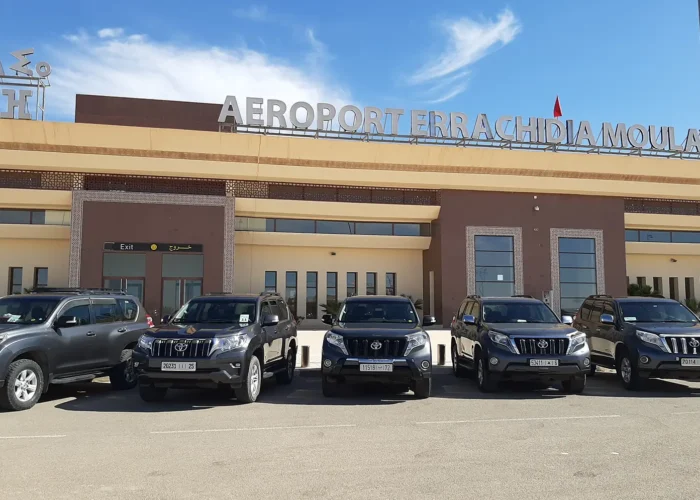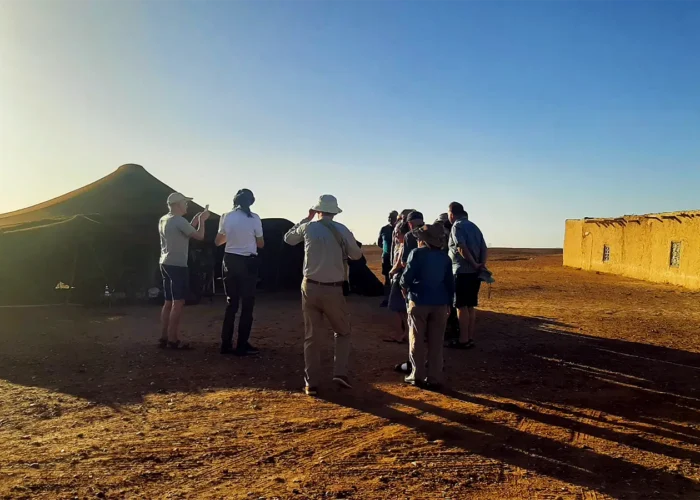


This is where we put everything we tell our own guests before they travel — written by Happy Morocco Travel, from home in Rissani on the edge of the Sahara. No copied listicles and no fluff: just the honest, practical answers we give people planning a real trip to Morocco, from when to come to what to skip.
New to Morocco? Start with these:
Below is every guide we have written, grouped by what you are actually trying to work out. When you’re ready to turn it into a trip, see our Morocco tours or just ask us.
The same questions arrive in our inbox from almost every traveller. Here are the honest answers we give — from home in Rissani, not from a call centre.
The Moroccan dirham (MAD). It is a closed currency, so you exchange or withdraw once you arrive — ATMs are in every city and at the airports. Bring a bank card plus some euros or dollars as backup, and keep small notes: souks, tips and cafés run on cash. Cards work in riads and bigger restaurants, rarely in markets.
Tipping is normal here but smaller than in the US: 10–20 dirhams for café staff and porters, 5–10% in restaurants, and for drivers and guides roughly 50–100 dirhams per day if you were happy. For a 4×4 driver on a desert journey, 200–400 dirhams for the trip is the generous norm — they do the hardest driving in Morocco. Nobody will chase you for it — and you should never tip someone who gave you “help” you didn’t ask for.
Moroccan Arabic (Darija) and Tamazight are what you’ll hear in the street; French is everywhere in cities; English is common in tourism and growing fast. Between the two of us we speak English, French, Spanish, Arabic and Tamazight — and a simple salam or choukran from you opens more doors than you’d think.
For the classic circuits — Atlas passes, gorges, desert pistes — a private car with a driver who knows the roads is honestly the only comfortable answer, and it’s what we run. Trains are good between Casablanca, Rabat, Fes and Marrakech; buses (CTM, Supratours) are fine between big cities. What we don’t recommend is self-driving your first time: mountain roads, souk-day traffic and unmarked pistes are a lot.
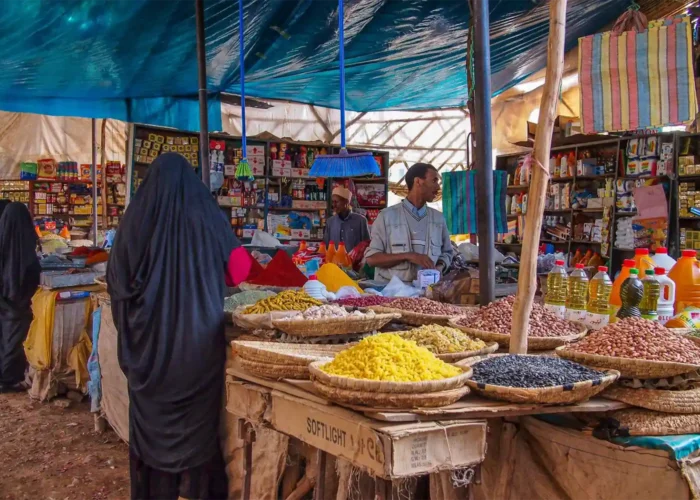
Tagine and couscous, yes — but also harira soup, msemen from a morning stall, grilled sardines on the coast and fresh dates in October around our home region. Street food is part of Morocco: pick busy stalls where locals queue, eat what’s cooked hot in front of you, and drink bottled or filtered water. That one habit prevents most stomach trouble.
Comfortable, modest-ish layers. Shoulders and knees covered is respectful in medinas and essential in rural areas; women often carry a light scarf — useful for sun, sand and mosque courtyards alike. In the desert you’ll want warm layers at night most of the year. Nobody expects you to dress like a local; clean and modest is enough.
Travellers from the US, UK, EU, Canada and Australia get 90 days visa-free with a passport valid for the length of the stay (we recommend 6 months to be safe). You get a stamp on arrival — keep the little entry number, hotels ask for it. Full details in our first-timer’s planning guide.
Spring and autumn are the kind seasons, but every month has its case — we wrote a month-by-month guide and twelve honest month pages. And yes, Morocco is safe to visit; the real annoyances are scams, not danger, and we’ve written openly about them in is Morocco safe?
Anything we haven’t covered, just ask us — you’ll get an answer from the family who runs the company, and the first glass of mint tea is on us.