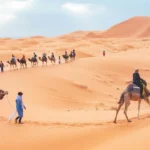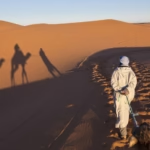


To visit the Sahara Desert in Morocco you travel to Merzouga or M’Hamid — the two towns on the edge of the real dunes — and sleep at least one night in a desert camp. From Marrakech it is roughly 560 km and a full day of driving; from Fes about 470 km. Most people come on a 3- or 4-day tour, ride a camel into the dunes at sunset, sleep under the stars, and ride back out at sunrise.
We live here. We grew up in Rissani, forty minutes from the Erg Chebbi dunes, and our Amazigh family has been driving people into this desert since 2006. So this is not a list assembled from other guides — it is how the trip actually works, including the parts most pages leave out.
Where you actually go
The Sahara covers about 9.2 million square kilometres across North Africa, so nobody visits “the Sahara” in the abstract. In Morocco it comes down to two ergs — the word for a sea of dunes.
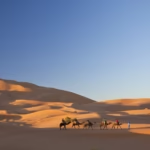
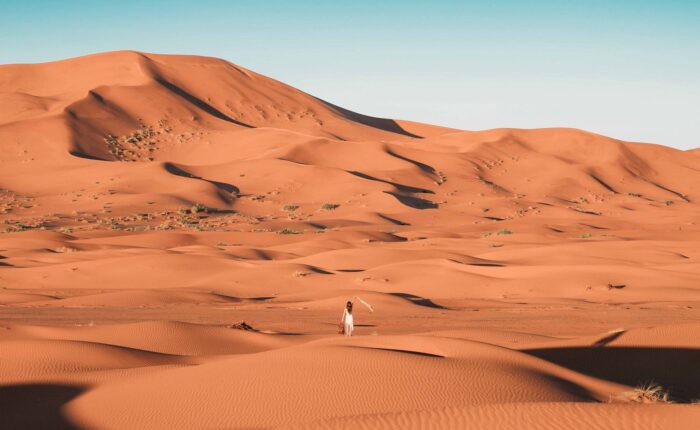
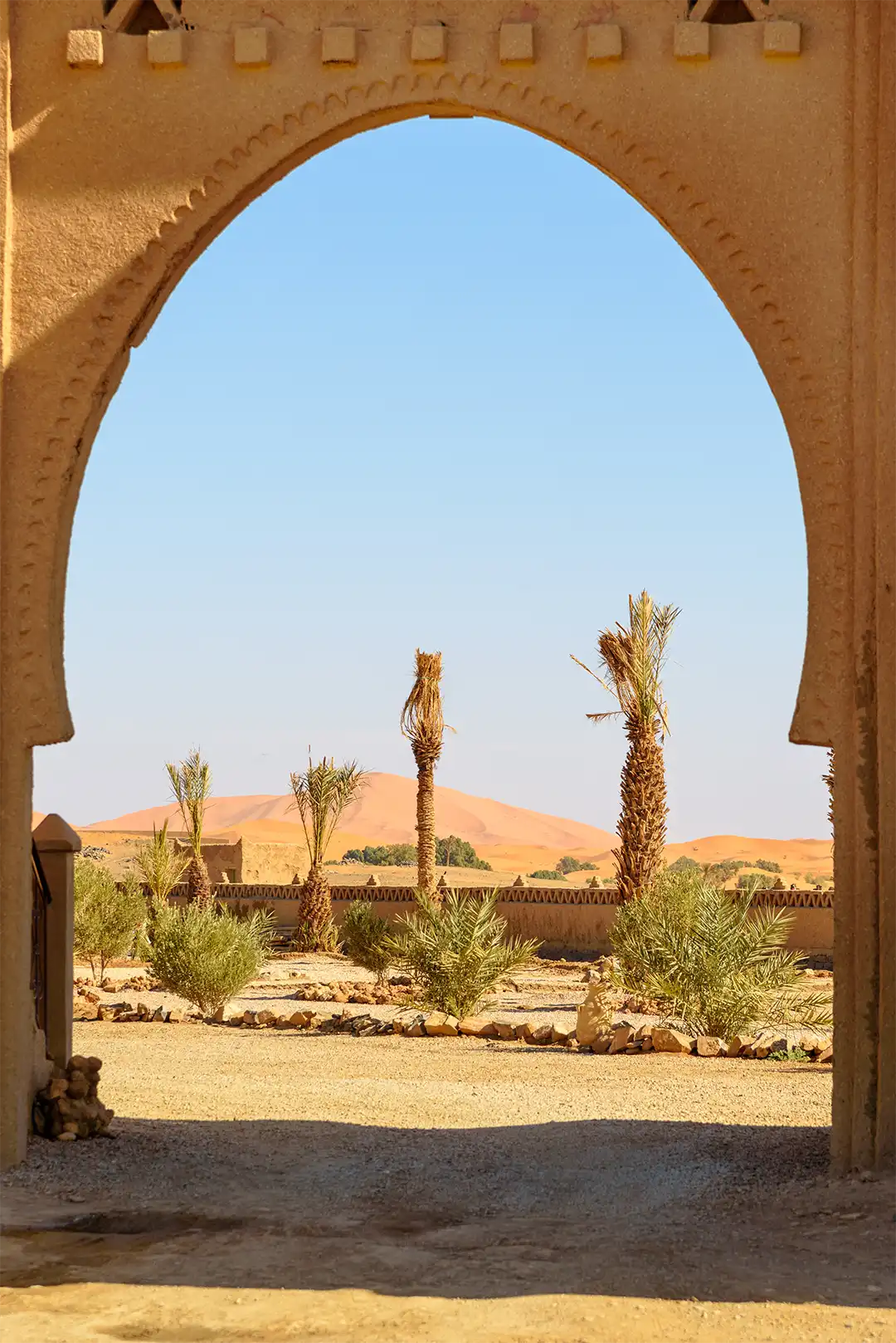
Erg Chebbi sits beside Merzouga in the southeast, near the Algerian border. It runs about 22 km long, its highest dunes reach roughly 150 metres, and it is the one in nearly every photograph of Morocco you have seen. Erg Chigaga lies in the far south beyond M’Hamid — larger, emptier, and reached only by a 60 km track across stone desert.
One correction we make often: Zagora is not Erg Chigaga. Zagora is a town on the road south, and the small dunes near it are Erg Lehoudi. They are convenient if you only have two days, but they are modest and close to the road. If someone sells you “Zagora desert” expecting Lawrence of Arabia, you will be disappointed. For the wider geography, see our guide to where the Sahara Desert is located.
Erg Chebbi or Erg Chigaga?
Erg Chebbi is the right answer for most people. You can drive to the sand, the camps are established, the camel walk is short, and if your time in Morocco is limited it costs you the least. It is also busier — on a spring evening you will see other caravans on the ridge.
Erg Chigaga is for travellers who want emptiness and do not mind paying for it in hours. The 4×4 crossing from M’Hamid takes about two hours each way, there are far fewer camps, and you will likely watch the sunset alone. It adds at least a day to any itinerary.
We are based beside Erg Chebbi, so we will say plainly: we know it better. If Chigaga is what you want, we will tell you honestly whether your dates allow it.
Three ways to get there
A guided tour with a driver. The usual choice, and the one we run. You are collected in Marrakech, Fes or Casablanca, the route is broken across two days with stops, and everything is arranged before you arrive. Our vehicles are our own — Tarhlaoui Transport Touristique has been a registered tourist-transport company since 2006, licence 190027.
A private driver you hire yourself. More flexible, and more work. You handle your own hotels, meals and entrance fees, and you pay the driver by the day whether you move or not.
Self-driving. Perfectly possible on tarmac. The roads to Merzouga are sealed and in decent condition, but the Atlas passes are long and winding, and the last stretch after dark is disorienting if you have never driven it. Do not attempt to drive onto the dunes in a rental car — every season someone tries, and every season somebody has to pull them out.
How far it really is
Distances mislead people because the numbers look drivable and the roads are not motorways. Plan on a full day each way.
- Marrakech to Merzouga — about 560 km, 9 to 10 hours with stops, over the Tizi n’Tichka pass
- Fes to Merzouga — about 470 km, 7 to 8 hours through the Middle Atlas and Ziz Valley
- Casablanca to Merzouga — about 700 km, best split across two days
- Marrakech to M’Hamid (for Erg Chigaga) — about 500 km, plus the 4×4 crossing
- Errachidia airport to Merzouga — 126 km, roughly 90 minutes
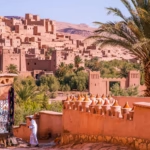
Nobody enjoys 10 hours in a vehicle in one push, which is why every sensible desert itinerary breaks the journey — Ait Benhaddou and the Dades or Todra gorges going one way, the Ziz Valley the other.
Flying in to save two days
If your time is short, fly. Errachidia has a national airport 126 km from Merzouga, with connections through Casablanca, and it removes the two longest driving days from your trip. We run the Errachidia airport transfer ourselves.
How many days you need
Honest minimum from Marrakech is three days: drive out, one night in the dunes, drive back. It works, but two of those days are in a vehicle.
Four days is the version we would book for our own family — it buys a second night and stops feeling like a dash. Five days or more lets you add Todra, the Dades Valley or Fes without rushing.
Start with our 3-day itineraries or 4-day itineraries, or read the full 5-day Morocco itinerary guide, or see every desert option on the Sahara Desert tours page.
Where you sleep
Desert camps fall into three honest categories. Standard camps give you a bed in a Berber tent, shared bathrooms, dinner and breakfast, and a fire outside. Comfort camps add a private bathroom in the tent. Luxury camps add proper beds, rugs, electricity and hot showers, and cost several times the standard.
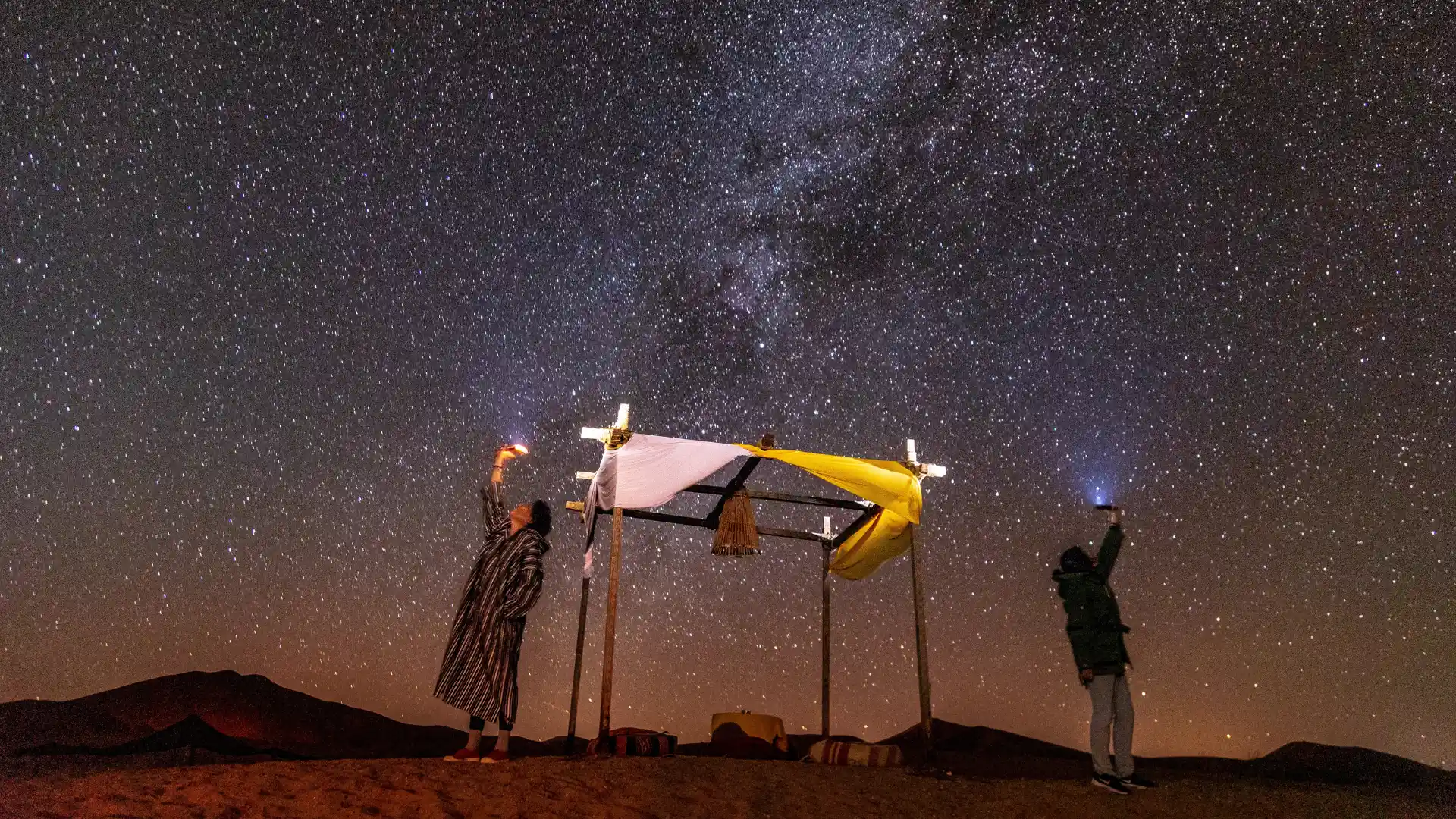
What none of them change is the sky. The difference between a standard camp and a luxury one is the bathroom, not the stars — and there is no light pollution out there to spoil either.
Dinner is included at the desert camp on every itinerary we run. Entrance fees to monuments and museums along the route are not.
The camel trek
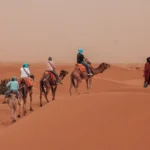
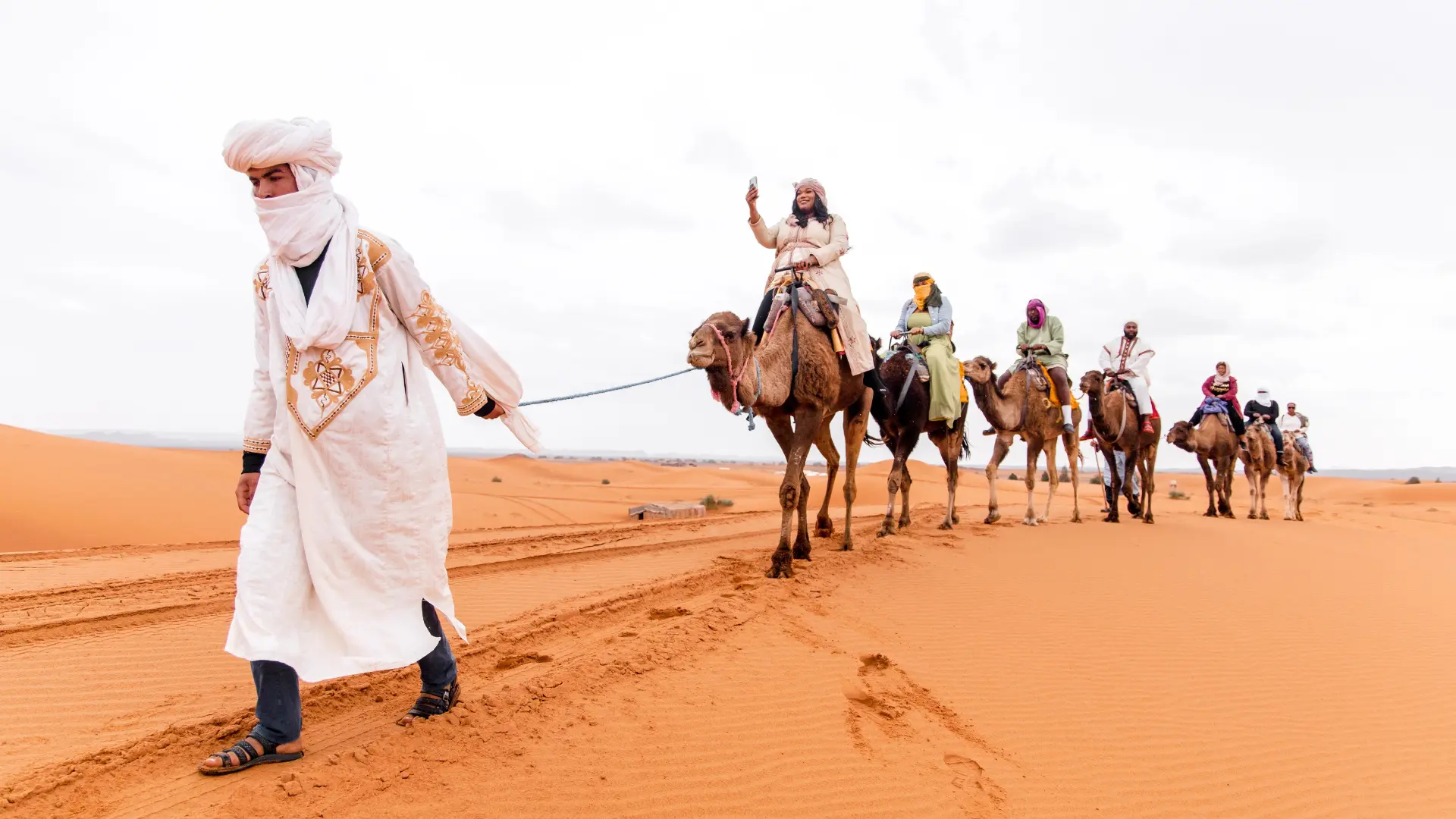
The ride into camp takes about 90 minutes and needs no experience — your guide leads the animal the whole way. Sunset rides are warmer and busier; sunrise rides are colder, emptier and have the better light. If you overnight in the dunes you get both. We wrote the detail in our guide to sunrise and sunset camel treks in Merzouga.
When to come
Spring (March to May) and autumn (September to November) are the two clean answers. Summer in Merzouga passes 45°C and treks run only at dawn and dusk. Winter days are bright and perfect for walking, but nights drop near freezing — people are always surprised by how cold the Sahara gets in January.
Month-by-month detail is in our best time to visit Morocco guide.
What lives out there
The desert looks empty from a car window and is not. Fennec foxes, sand cats, desert hedgehogs, lizards, scorpions and a surprising number of birds all survive here on almost no water. Most are small, most are nocturnal, and most you will not see — but the tracks across the sand at dawn tell you they were there. We covered them honestly in what animals live in the Sahara Desert.
Making it yours
Almost everything here is adjustable — the camp standard, the pace, whether you ride a camel or take a 4×4 to the tents, how much time you give the gorges, whether you finish in Fes or return to Marrakech. If you want to see how far that flexes, read can I customize my Sahara Desert experience.
What to bring
A warm layer and a scarf, always — the temperature swing between afternoon and dawn is the thing visitors underestimate. Then closed shoes, sunglasses, sunscreen, a torch, water, and a small bag for the night in camp so your main luggage can stay in the vehicle. Sand gets into everything with a zip.
Frequently asked questions
How many days do you need to visit the Sahara Desert in Morocco?
Three days is the honest minimum from Marrakech or Fes: one day out, one night in a desert camp, one day back. Four days is more comfortable and adds a second night. Five days or more lets you include the Todra and Dades gorges without rushing.
Is Merzouga or Zagora better for the desert?
Merzouga, for almost everyone. It sits beside Erg Chebbi, where the dunes reach about 150 metres. The dunes near Zagora are Erg Lehoudi and are much smaller. Zagora is closer to Marrakech, so it suits a very short trip, but it is not the landscape most people are picturing.
Can you visit the Sahara from Marrakech in one day?
Not the real dunes. Merzouga is about 560 km away and takes 9 to 10 hours each way. Day trips sold from Marrakech go to the Agafay stone desert, roughly an hour outside the city — it is scenic, but it is rock and scrub, not sand dunes.
What is the best time of year to visit the Moroccan Sahara?
March to May and September to November. Summer regularly passes 45°C and camel treks run only at dawn and dusk. Winter is clear and pleasant by day but nights near Merzouga drop close to freezing.
Do you have to ride a camel to reach the camp?
No. The camel walk takes about 90 minutes and most people enjoy it, but we can drive you to the camp by 4×4 instead. Tell us in advance if you have back trouble, limited mobility, or simply would rather not ride.
Is the Moroccan Sahara safe to visit?
Yes. The Merzouga area is a settled tourist region with a permanent local population, and we have worked here since 2006. The genuine risks are heat, dehydration and cold nights, not danger. More detail in our guide on whether Morocco is safe to visit.
How much does a Sahara desert trip cost?
Our 3-day desert tours start at €529 per person in a group of six, in standard accommodation, including transport, breakfast every day and dinner at the desert camp. Luxury camps and smaller groups cost more. Entrance fees to monuments are not included.
Anything we have not covered, write to us — you will get an answer from the family that owns the company, not a call centre. And when you reach Rissani, the first glass of mint tea is on us.
Still working this trip out?
We are a family who run tours out of Rissani, on the edge of Erg Chebbi. Ask us anything about what you have just read — dates, driving times, whether an itinerary is actually realistic. You will get a straight answer from us, not a sales call.