Is Morocco Still a Dream Destination? Safety, Scams & What to Expect
Table of Contents
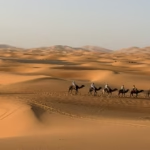
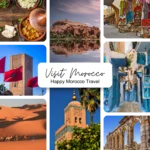
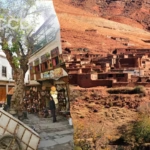
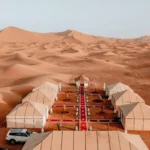
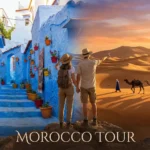
Many travelers look at photos of the Sahara dunes, Chefchaouen’s blue streets, or the Fes medina and start asking themselves: is Morocco safe to visit right now?
Online, you can find very different opinions. Some people say Morocco is a dream destination; others say it feels stressful because of scams, touts, or safety worries.
The truth is in the middle. Morocco is generally safe and welcoming for tourists, but it is also intense, and some popular cities can feel overwhelming if you arrive unprepared. When you understand how safe Morocco is to visit, what has changed, and how to avoid the most common problems, you can enjoy the magic with much less stress.
Is Morocco Safe to Visit Now?
Most international advisories rate Morocco as a moderately safe country where you should “exercise increased caution,” mainly due to a general terrorism risk (similar to many other popular destinations).travel.state+1
What this means in practice:
- Violent crime against tourists is rare in main tourist areas.
- The most common problems are petty theft (pickpocketing), scams, and aggressive sales tactics in very touristy places.osac+1
- Police presence is visible in major cities and around key tourist zones, especially at night.
Areas where you need extra attention:
- Very crowded medinas (old towns), especially at night.
- Remote mountain or desert regions, where you should always use a licensed, reputable guide and a registered agency.
- Border and Western Sahara regions, which most governments advise against visiting independently.travel+1
For normal tourist itineraries (Casablanca, Rabat, Fes, Meknes, Chefchaouen, Marrakech, desert tours around Merzouga/Zagora, coastal cities like Essaouira), Morocco remains a popular and generally safe destination when you take basic common‑sense precautions.
What About the 2023 Earthquake and Recent Events?
The 2023 earthquake mainly affected parts of the High Atlas Mountains and some neighborhoods and monuments around Marrakech. Many travelers worried that the city and surrounding region would be unsafe or “destroyed.”
However, Morocco moved quickly to repair infrastructure and reopen key tourist areas. Most major sites re‑opened, and hotels and riads resumed operations, with many properties renovated or reinforced during this process.gboomoroccotours+1
Tourism numbers actually rebounded and even increased in late 2023 and 2024, as travelers returned and local businesses adapted.
If you visit Marrakech and the Atlas today:
- Expect some ongoing restoration work in certain historic areas.
- Roads to mountain villages are mostly open, but weather can still affect access, so travel with a trusted local operator.
- Your visit directly supports families and communities that depend on tourism for their livelihood.highatlasfoundation+1
The Most Common Complaints – And How to Avoid Them
Many negative stories about Morocco focus on the same issues. Knowing them in advance makes a huge difference.
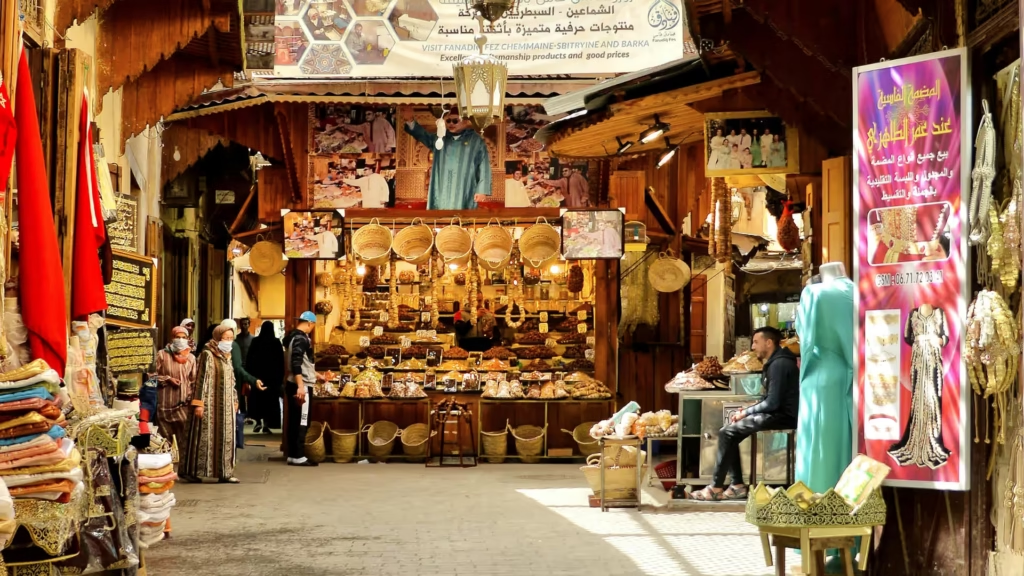
1. Pushy Touts and “Guides” in the Medina
In the old towns of Marrakech and Fes especially, it’s common for people to:
- Offer to “show you the way” and then demand money.
- Pretend to be “official guides” without a license.
- Lead you to specific shops where they receive a commission.
How to handle it:
- Use only official guides with a visible government badge, booked through your riad or a reputable agency.mymoroccovibes+1
- If someone approaches you in the street, a firm but polite “no thank you” and continuing to walk is often enough.
- If you feel truly lost, ask for directions from a shop, café, or your accommodation, not from someone randomly following you.
2. Taxi Overcharging
Taxi scams are one of the top complaints in cities like Marrakech, Casablanca, and sometimes Fes and Tangier.private-tours-marrakech+1
Simple rules:
- Always insist on the meter in petit taxis (city taxis). If they refuse, step out and take another taxi.worldnomads+1
- If there is no meter (or for longer trips), agree on the fare before you get in.
- Use ride‑hailing apps (where available) for more transparent pricing.
- Ask your hotel or host about normal prices for common routes so you know what’s reasonable.
3. “Free Gifts” and Surprise Charges
In souks and some restaurants:
- Small items may be offered as “gifts” and then added to the bill.
- Extra dishes (bread, olives, starters) might appear on your table and later be charged, even if you did not order them.theendlesstravellers+1
What to do:
- Avoid accepting “free” items from strangers unless you are fine with paying a small amount.
- In restaurants, ask clearly: “Is this included or extra?” and request the menu with prices.
- If something appears on your bill you did not agree to, stay calm, point it out, and negotiate politely.
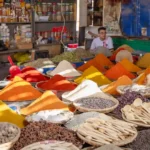
4. Fake or Low‑Quality Products
Common examples are fake argan oil, leather, and “handmade” crafts that are actually mass‑produced.
Tips:
- For argan oil and cosmetics, buy from cooperatives or trusted shops recommended by your accommodation or guide.
- For carpets and handicrafts, don’t feel pressured to buy. Take your time, compare several shops, and never be afraid to walk away.
- Bargaining is normal, but it should feel like friendly negotiation, not a fight. If it stops feeling fun, you can simply smile and leave.
Women Traveling in Morocco
Women travel in Morocco every day—solo, with friends, or with families. Many report positive experiences, but some mention unwanted attention, stares, or occasional comments.
Practical suggestions:
- Dress similarly to local norms: you do not need to cover your hair, but avoiding very revealing clothes can reduce attention.
- Ignore minor remarks and keep walking; do not engage with harassing comments.
- At night, use registered taxis or private transfers rather than walking long distances in quiet areas.
- For solo travelers, staying in riads or guesthouses with good reviews and helpful hosts is especially valuable, as they can offer advice and support.
Official safety guidance also recommends that women avoid walking alone late at night in quiet areas and pay extra attention in crowded spaces and on public transport.globalguardian+1
Choosing the Right Cities for Your Travel Style
Morocco is not only Marrakech. If you choose destinations that match your travel style, your experience will be much better.
- For first‑timers who like calmer vibes:
Consider Rabat, Meknes, Chefchaouen, Essaouira, or smaller imperial city neighborhoods. These places usually feel more relaxed while still offering history, culture, and good food. - For culture lovers who can handle intensity:
Fes and Marrakech offer incredible medinas, monuments, and markets. They are also the most chaotic. A guided orientation walk on your first day helps a lot. - For nature and photography:
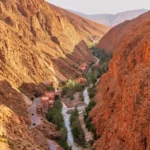
The Sahara desert near Merzouga or Zagora, the Middle Atlas around Azrou and Ifrane, and the High Atlas valleys (Ourika, Ait Bouguemez, etc.) are stunning—just be sure to go with reputable drivers and guides. - For beach and surf:
Essaouira, Taghazout, Agadir, and parts of the Atlantic coast offer a slower, more laid‑back atmosphere.
Practical Safety Tips That Actually Help
A few simple habits will reduce most risks and stress:
- Money & valuables
- Keep your passport, extra cash, and cards in a safe place at your hotel whenever possible.
- Use a cross‑body bag with a zipper, especially in busy markets.
- Avoid counting large amounts of cash in the street.
- At night
- Stick to well‑lit, busy streets.
- Use official taxis or pre‑arranged transfers rather than walking long distances in unfamiliar neighborhoods.
- If you drink alcohol, do so in trusted venues and keep an eye on your drink.
- In remote areas
- Book desert tours, mountain hikes, and long‑distance transfers with licensed agencies and experienced drivers.
- Share your itinerary with someone at home and with your accommodation.
- Avoid going off on unmarked trails alone.
- Travel insurance
- Have travel insurance that covers health, theft, and cancellations. It is inexpensive compared to potential problems and gives peace of mind.
Why Morocco Is Still Worth It
Despite the challenges, millions of travelers visit Morocco every year and have unforgettable trips. Tourism has grown strongly again after the earthquake and the pandemic, as visitors discover (or rediscover) the country’s diversity and hospitality.epic+1
Reasons people fall in love with Morocco:
- The contrast of old medinas and modern cities.
- The landscapes—from Atlantic coast to cedar forests, green valleys, and the Sahara.
- The food: tagines, couscous, pastilla, fresh seafood, street snacks, and endless mint tea.
- The chance to experience Amazigh (Berber), Arab, African, and European influences in one place.
- Genuine human warmth: once you move beyond the most touristy zones, many encounters are simply kind and generous.
If you come prepared, understand the local reality, and support ethical, responsible operators, Morocco is still very much a dream destination.
How a Morocco Local Agency Can Help
Planning Morocco trip independently is possible, but for many visitors—especially first‑timers—it is helpful to have local support.
A good local agency can:
- Arrange reliable drivers and licensed guides.
- Help you choose cities and regions that fit your travel style and budget.
- Suggest routes that avoid unnecessary long driving days.
- Recommend authentic riads and guesthouses instead of tourist traps.
- Handle logistics for desert tours, mountain trips, and transfers so you can relax and enjoy.
At Happy Morocco Travel (happymoroccotravel.com), trips are designed with:
- Small groups or private tours.
- Transparent pricing and clear itineraries.
- Local guides who understand both Moroccan culture and travelers’ expectations.
If you are unsure whether Morocco is right for you, or you want to experience its beauty with fewer hassles, you can explore Morocco itineraries and contact Happy Morocco Travel for personalized advice: