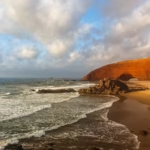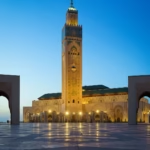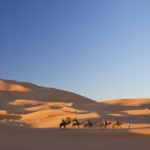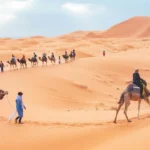


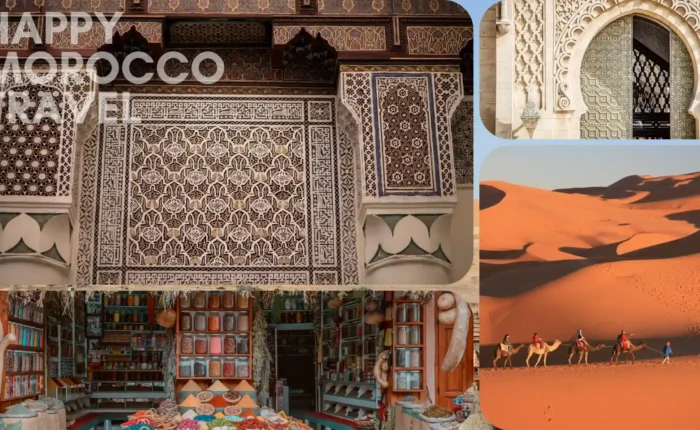
A melhor época para viajar ao Marrocos é a primavera (março a maio) e o outono (setembro a novembro), quando as temperaturas ficam entre 20°C e 26°C nas cidades e o deserto é confortável de dia e fresco à noite. O verão (junho a agosto) é muito quente no interior; o inverno (dezembro a fevereiro) tem dias amenos, noites frias no Saara e neve no Alto Atlas. E lembre-se: as estações no Marrocos são invertidas em relação ao Brasil.
Somos a Happy Morocco Travel, uma família amazigh de Rissani, na beira do Saara, e planejamos viagens privadas o ano inteiro. Este guia reúne o que respondemos todo dia sobre clima, estações e datas.
As quatro estações do Marrocos
Primavera (março–maio): a estação de ouro
O país inteiro funciona: 20–26°C nas cidades, o Alto Atlas verde, o deserto perfeito para a noite no acampamento. É também a época das rosas no Vale do Dades (maio). Se só puder escolher uma janela, escolha esta.
Verão (junho–agosto): calor no interior, brisa no litoral
Marrakech e o deserto passam dos 38°C — os passeios de camelo migram para o amanhecer. Em compensação, Essaouira fica em uns 22°C com vento constante, e o Alto Atlas é refrescante. Julho coincide com as férias escolares brasileiras: dá para viajar bem, com o roteiro certo.
Outono (setembro–novembro): a segunda estação de ouro
O calor cede, o céu fica limpo e o deserto volta ao ponto ideal. Outubro é talvez o mês mais equilibrado do ano.
Inverno (dezembro–fevereiro): ameno, barato e sem multidões
Dias de 18–22°C nas cidades, noites frias (o Saara chega perto de 0°C à noite — os acampamentos têm cobertores pesados e fogueira), neve nos picos do Atlas. Coincide com as férias de verão do Brasil — dezembro e janeiro são ótimos para quem foge do calor brasileiro sem enfrentar frio europeu.
Mês a mês
Cada mês tem um guia completo, com clima por região e o que fazer:
- Marrocos em janeiro — inverno ameno, preços baixos
- Marrocos em fevereiro — amendoeiras em flor no Atlas
- Marrocos em março — começa a estação de ouro
- Marrocos em abril — o mês mais popular
- Marrocos em maio — rosas no Dades, dias longos
- Marrocos em junho — Festival Gnaoua em Essaouira
- Marrocos em julho — férias brasileiras, litoral e Atlas
- Marrocos em agosto — calor forte, rotas inteligentes
- Marrocos em setembro — o deserto reabre
- Marrocos em outubro — o mês mais equilibrado
- Marrocos em novembro — outono tardio, ótimos preços
- Marrocos em dezembro — sol de inverno e Réveillon no deserto
Melhor época por região
Cidades imperiais (Marrakech, Fes): março-maio e setembro-novembro. Deserto do Saara (nossa região, Merzouga/Rissani): outubro-abril — evite julho-agosto, quando só o amanhecer é confortável. Costa atlântica (Essaouira, Agadir): o ano inteiro; melhor de junho a setembro. Alto Atlas: abril-outubro para trilhas; neve de dezembro a março.
Datas para considerar
Ramadã: em 2027 vai do início de fevereiro ao início de março. O país funciona e o turismo continua — restaurantes turísticos abrem —, mas o ritmo muda e algumas experiências ficam mais tranquilas. Festival das Rosas (Kalaat Mgouna, maio) e Festival Gnaoua (Essaouira, junho) valem o desvio.
Perguntas frequentes
Qual é o melhor mês para conhecer o deserto?
Outubro e abril são os pontos ideais: dias quentes sem excesso, noites agradáveis no acampamento e céu limpo para as estrelas.
Dezembro e janeiro valem a pena?
Sim — dias ensolarados de 18–22°C nas cidades, preços melhores e menos gente. Leve casaco para as noites do deserto e do Atlas. Para quem sai do verão brasileiro, é um alívio confortável.
Dá para viajar em julho, nas férias do Brasil?
Dá — com rota pensada: mais litoral e montanha, deserto ao amanhecer e hotéis com piscina nas cidades. Veja o guia de julho.
Quer ajuda para escolher? Veja todas as nossas viagens ou o roteiro de 7 dias, ou envie suas datas — respondemos com honestidade, mesmo que a resposta seja “venha em outro mês”. O primeiro copo de chá de menta é por nossa conta. — Happy Morocco Travel · Rissani
Ainda montando a viagem?
Somos uma família que organiza viagens a partir de Rissani, na beira do Erg Chebbi. Pergunte o que quiser sobre o que você acabou de ler: datas, horas de estrada, se um roteiro cabe mesmo no tempo. Quem responde é uma pessoa, não um call center.